
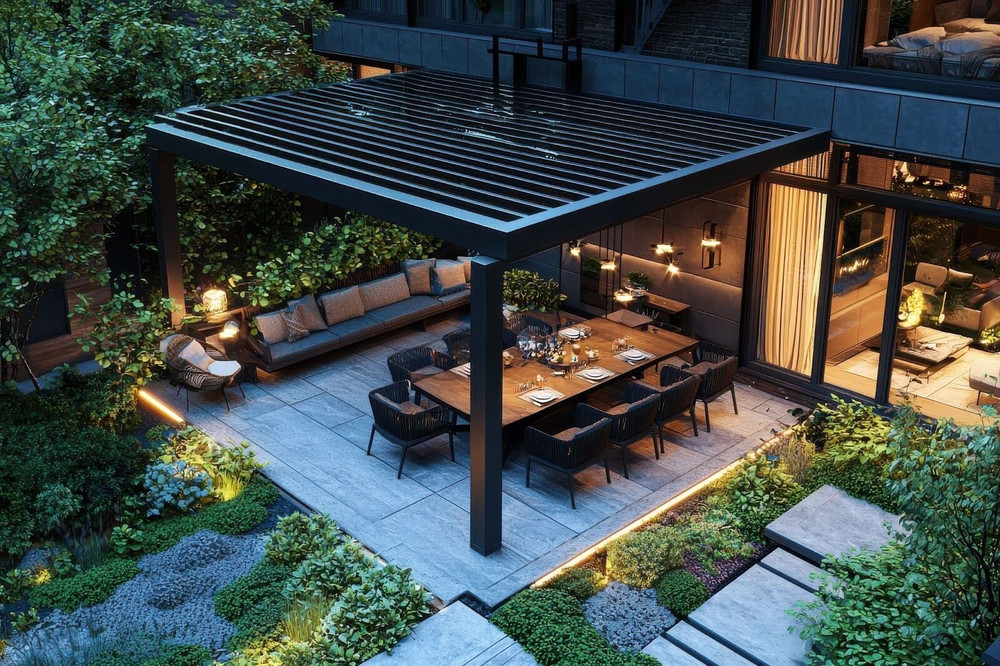

In Australia, the backyard is an extension of the home, and the outdoor dining area is its heart. From sizzling summer barbies to slow Sunday brunches under the shade, our outdoor spaces are designed for enjoyment, connection, and making the most of our beautiful weather.
Whether you have a sprawling deck, a compact courtyard, or a poolside patio, transforming your outdoor eating space into a functional, beautiful, and inviting oasis is simpler than you think. Forget plastic chairs and faded umbrellas—it’s time to elevate your al fresco experience.
Here is your comprehensive guide to planning and styling the ultimate outdoor dining area.
Also Read: Brilliant Small Backyard Landscaping Ideas for Aussie Homes
1. Lay the Foundation: Location and Layout
Before you buy a single cushion, assess your space and define your goals.
A. Define the Zone
Proximity to the Kitchen: The ideal outdoor dining area is easily accessible from the kitchen. This makes serving and clearing much simpler. If your preferred spot is far away, consider investing in a small outdoor serving cart or a portable butler’s tray to minimise trips.
Protection from the Elements: Where is the sun at 6 PM when you plan to eat? Is your area prone to strong breezes? Australian sun is fierce, so adequate shade is non-negotiable.
B. Choose Your Shade Solution
The Pergola: A permanent structure that offers architectural appeal and stability. Use shade cloths, climbing vines, or retractable awnings for flexible coverage.
The Umbrella: The most flexible option. A cantilever (offset pole) umbrella is excellent for large tables as the pole doesn’t obstruct seating. Ensure the base is heavy enough to withstand sudden gusts of wind.
The Natural Canopy: If you have mature trees, a dining area nestled beneath their canopy provides natural shade and a beautiful, dappled light effect.
2. Selecting the Star: The Dining Setting
The table and chairs are the centerpiece of your outdoor area. Choosing the right material and size is crucial for both aesthetics and durability.
A. Size it Right
Consider how you realistically entertain. Do you host large family gatherings or mostly intimate dinners?
- Standard: A 6-seater table (around 1.5–1.8m long) is suitable for most family use.
- Entertainer: An 8–10 seater table (2.1–2.7m long) is perfect for regular hosting.
- Space Saver: For balconies or courtyards, consider a small round table or a folding bistro set that can be tucked away when not in use.
Also Read: How to Lay an Artificial Lawn? Your Step-by-Step Guide
B. Material Matters (Durability is Key)
In the Australian climate, your furniture needs to be tough.
| Material | Pros | Cons (in AU context) |
| Timber (Teak/Jarrah) | Natural look, high durability, ages beautifully (silvery grey patina). | Requires periodic oiling to prevent drying and cracking. |
| Aluminium | Lightweight, rust-proof, easy to move, requires zero maintenance. | Can heat up quickly in direct sun; sometimes lacks the warmth of other materials. |
| Wicker/Rattan (PE) | Comfortable, stylish, offers a resort feel. (Ensure it’s Polyethylene PE wicker, not natural). | Lower quality options can deteriorate or fade quickly in the sun. |
| Concrete/Stone | Highly durable, contemporary, weather-resistant, won’t blow away. | Very heavy, often requires professional movers. |
3. Ambience and Aesthetics: Styling and Lighting
This is where you infuse personality and ensure the space is as beautiful by night as it is by day.
A. Light it Up
Lighting is the number one element for creating a magical evening atmosphere.
- Task Lighting: Install overhead lighting (like a simple outdoor pendant or linear light) above the centre of the table for dining functionality.
- Atmospheric Lighting: String lights (festoon lights) are essential for a festive, bohemian vibe. Drape them across the pergola or zig-zag them above the table.
- Safety and Accent: Use subtle path lights or uplights to highlight surrounding plants and ensure safe movement around the area. Consider solar-powered options for ease of installation.
B. Add Comfort with Textiles
Cushions and throws instantly elevate comfort and style.
- Outdoor Fabric: Invest in fabrics specifically rated for outdoor use, such as Sunbrella or other UV-resistant acrylics. These are resistant to fading, mould, and mildew.
- Colour Palette: Use cushions to tie the dining area to the rest of your home. Coastal homes look great with blues and whites; Modern homes suit monochrome or earthy terracotta and sage greens.
- Rugs: An outdoor rug anchors the space, defines the dining zone, and adds texture. Look for polypropylene rugs that are easy to hose down.
C. Embrace Greenery
No outdoor dining area is complete without plants.
- Potted Plants: Use large pots to frame the dining area. Look for hardy, low-maintenance Australian natives or lush, tropical plants (like palms or bird of paradise) if your climate allows.
- Edible Accents: Place small pots of herbs (rosemary, basil, mint) on the table or nearby. Not only do they look and smell wonderful, but they are right there for garnishing a cocktail or a meal.
4. The Final Touches: Functionality
Make your outdoor dining area truly effective with thoughtful additions.
- The Serving Counter: If space allows, a small outdoor bench or cabinet near the table provides a place to set down dishes, wine bottles, and condiments, freeing up space on the main table.
- Outdoor Storage: Keep cushions, throws, and tableware tidy and protected from dew and rain in a stylish storage box that can also double as a bench seat.
- Heat Source: For those cooler Aussie evenings, a fire pit, chiminea, or a sleek outdoor strip heater extends the usability of your dining area well beyond the summer months.
By approaching your outdoor dining area with the same design care you give your indoor spaces, you’ll create a destination that’s not just a place to eat, but a beautiful, functional setting for countless memorable moments.