
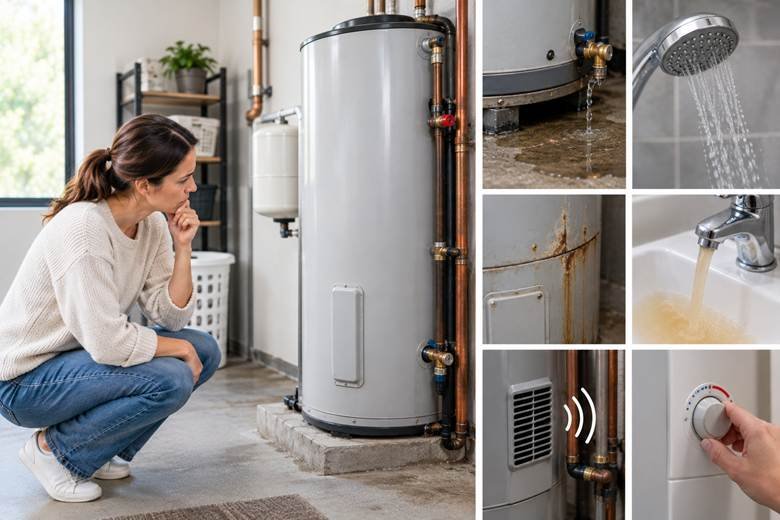

Hot water is one of those things most homeowners barely think about until it stops working properly. A cold shower first thing in the morning, a slow-running hot tap or a damp patch around the system can quickly become a much bigger household headache.
The good news is that many hot water problems show warning signs before the system stops working completely. Paying attention to changes in temperature, water pressure, sounds and leaks can help homeowners deal with an issue earlier and make better decisions about repairs or replacement.
Also Read: 8 Stylish Bathroom with Black Taps You Can Inspire From
Why Your Hot Water System Deserves Attention
A hot water system is an essential part of everyday living. It supports showers, washing dishes, laundry and plenty of other household tasks, yet it is often tucked away in a cupboard, garage or outdoor area where it is easy to forget.
That is why a quick check every now and then is worthwhile.
For example, if your household normally has plenty of hot water but suddenly runs out much sooner, something may have changed. The same applies if the water takes longer to heat or the pressure is noticeably weaker.
These changes do not automatically mean the system needs replacing. They simply indicate that it may be worth finding out what is happening.
If you live in the local area and notice a problem that needs attention, hot water system repair in Caroline Springs is one option homeowners can consider when arranging professional assistance.
1. Hot Water Is Running Out Too Quickly
One of the easiest problems to notice is a sudden reduction in the amount of hot water available.
A household may have been comfortable with its existing system for years, then suddenly find that the water becomes cold halfway through the morning routine.
There are several possible reasons for this. A fault may be affecting how the system heats water, a component may need attention, or the household may simply be using more hot water than it did when the system was installed.
Before assuming the tank or unit is too small, consider whether anything has changed in the home. More people living at the property, changes in shower routines or additional hot water use can all affect demand.
2. The Water Is Only Lukewarm
Water that never reaches its usual temperature is another common warning sign.
If the problem happens consistently, rather than just once, it is worth having the system checked. The cause can vary depending on whether the home uses a storage system, continuous-flow unit, heat pump or another type of hot water system.
Homeowners should resist the temptation to open the unit or attempt electrical or gas repairs themselves. Hot water equipment can involve high temperatures, electricity, gas and pressurised components.
A professional can assess the system and determine whether a repair is practical or whether replacement should be considered.
3. There Is Water Around the System
A puddle or damp patch near the hot water unit should not be ignored.
The water could be coming from a connection, valve, pipe or another component. In some cases, the source may be difficult to identify without an inspection.
Look around the system from time to time, especially if you notice that the floor nearby is becoming damp.
If there is a significant leak, take appropriate steps to limit water damage and arrange professional assistance. Do not dismantle the equipment to try to find the problem yourself.
A small leak may seem harmless, but leaving a water-related problem unchecked can lead to further damage around the installation area.
4. Unusual Sounds Can Mean Something Has Changed
Hot water systems can make sounds during normal operation, but a new or persistent noise deserves attention.
You might notice popping, rumbling, hissing or other sounds that were not there previously. The sound alone cannot tell you exactly what is wrong, but it can be useful when combined with other changes.
Take note of when the noise occurs. Does it happen while the system is heating? Does it happen repeatedly? Has the hot water pressure changed at the same time?
These details can help a qualified plumber assess the situation more effectively.
5. Hot Water Pressure Has Dropped
A change in water pressure can be frustrating, particularly in the shower.
If cold water pressure appears normal but hot water flow has become weaker, there may be an issue affecting the hot water system or connected plumbing.
It is not always the hot water unit itself that is responsible. Pipework, valves and other plumbing components can also affect water flow.
Rather than immediately assuming the system needs replacement, have the cause investigated. A proper diagnosis can help avoid spending money on a solution that does not address the actual problem.
When Should You Call a Professional?
Not every change requires an emergency response, but repeated problems should not be ignored.
Professional help is particularly appropriate when you notice a substantial leak, ongoing loss of hot water, unusual system noises, gas-related concerns or electrical issues.
The type of system matters too. Gas and electrical hot water systems require specialist knowledge, and homeowners should not attempt repairs involving these components without the appropriate qualifications.
If the system is still operating but its performance has changed, arranging hot water services can help identify the cause and establish whether maintenance, repair or replacement is the sensible option.
Simple Habits That Can Help
Homeowners do not need a complicated maintenance routine to keep an eye on their hot water system.
A few simple habits can make a difference:
- Check the area around the unit for leaks or moisture.
- Pay attention to changes in water temperature.
- Notice if hot water runs out faster than usual.
- Listen for new or repeated noises.
- Keep the area around the system reasonably clear.
- Take note of recurring problems rather than simply working around them.
It is also useful to know what type of system is installed at your property. Different systems have different components and maintenance requirements, so generic advice does not always apply.
If you have recently moved into a home, keeping the system’s available installation or servicing information can also make future maintenance easier.
Repair or Replacement?
A hot water problem does not automatically mean you need a new system.
A repair may be suitable when the fault is limited and the rest of the system is in reasonable condition. Replacement may become a consideration when there are repeated faults, significant damage or other issues that make continued repair less practical.
The decision should be based on the actual condition of the system rather than simply its age.
It can also be useful to consider whether your household’s needs have changed. A system that was suitable for a smaller household may not provide the same experience after a renovation, an additional bathroom or a change in the number of people living at the property.
Keep Hot Water in Your Home Maintenance Routine
Hot water systems are easy to overlook because they usually sit out of sight. However, they play a major role in the comfort and daily routine of a home.
A few minutes spent checking for leaks, listening for unusual sounds and noticing changes in performance can help homeowners recognise potential problems earlier. It also makes it easier to explain the symptoms when professional advice is needed.
The goal is not to diagnose every fault yourself. It is simply to know when something has changed and act before a minor inconvenience becomes a major disruption. When a system needs further attention, arranging hot water system repairs can help determine the practical next step.