
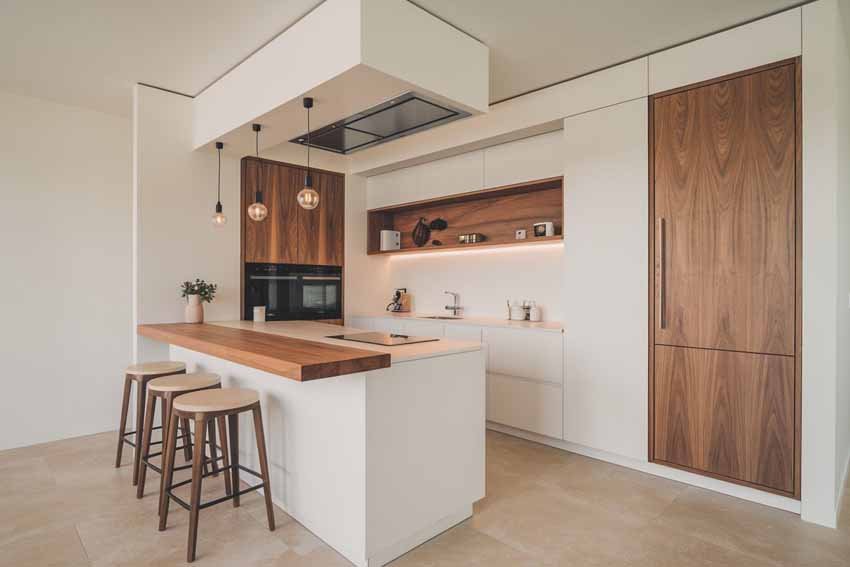

Considering a renovation of your kitchen? This is perhaps one of the most exhilarating renovations that you can do in your home, but it can also be a bit overwhelming when you consider everything involved in doing so. Between choosing the coolest benchtop finishes, determining how all those pots and pans will be arranged, and adhering to the rigid standards set by Australia’s building codes, you can see how complicated it can be. But a good kitchen isn’t just about looking pretty online; it needs to withstand messy family meals, the harsh summer heat, and the crazy mornings of preparing breakfasts.
So we thought we would help you to get it right, minus the headache, and give you 15 must-have items for every Australian kitchen renovation.
1. Set a Realistic Budget
Work out all costs early, including styling your cabinets, benchtops, appliances, and tradie labour. Always save an extra 10 to 20 percent on top of your main budget. Homeowners usually get some surprise fixes, like hidden leaks or old wiring behind walls, pop up often during Aussie kitchen renos and can quickly blow out your spending.
2. Choose Durable Benchtop Materials
Pick tough surfaces like granite, porcelain, or solid timber that handle hot pans and scratches. Always choose approved, safe alternatives that look stylish, wipe clean easily, and last for many years of daily use.
Note: Australia banned standard engineered stone with crystalline silica in 2024 to protect workers’ lungs.
3. Plan Storage Carefully
Nobody likes a cluttered bench. Think about adding extra-deep drawers instead of lower cupboards so you don’t have to crawl on the floor searching for a pot. Pull-out pantry shelves and clever corner carousels also squeeze every bit of space out of your kitchen, giving all your snacks a proper home.
4. Install Effective Rangehood Ventilation
A good rangehood clears away steam, smoke, and strong food smells while you cook. Choose one that fits your stove size. Whenever possible, vent it straight outside through the roof or wall rather than recirculating air inside. This keeps the kitchen fresh and stops sticky grease settling across your walls.
5. Prioritise Task Lighting
Cooking up bacon or a stir-fry can fill the whole house with smoke and greasy smells. Grab a decent rangehood that fits your stove, and make sure it pumps the fumes outside rather than just blowing them back at your face. It stops the room from feeling stuffy and saves your ceiling from grease stains.
6. Select Energy-Efficient Appliances
Look for the official Australian Energy Rating Label when buying your fridge, oven, and dishwasher. More stars mean the appliance uses much less power or water. Even if high-star models cost slightly more upfront, they slash monthly household utility bills and are much friendlier to the Aussie environment over time.
7. Improve Kitchen Workflow
Chopping veggies in your own shadow is super annoying—and risky! While regular ceiling lights are fine, you really want bright LED strips tucked right under your overhead cupboards. They shine straight down onto your cutting board and sink, making food prep way easier and giving the kitchen a cool glow at night.
Also Read: How to Clean Your Kitchen Sink Drain? Cleaning The Clutter
8. Choose Water-Resistant Flooring
Kitchen floors take a massive beating from spilled milk, dropped sauce bottles, and muddy shoes. Go with tough porcelain tiles or waterproof hybrid vinyl planks that won’t warp or swell if someone spills water. Best part? When things get messy, a quick wipe with a mop has them looking brand-new.
9. Upgrade Plumbing and Electrical Systems
Before you hook up a fancy new oven or move the sink across the room, get a licensed sparky and plumber to check the guts of the house. Old wires and rusty pipes often can’t handle powerful modern gear, so sorting that out early saves you from nasty shocks or soaked floors later on.
10. Consider Natural Light and Airflow
Open up the kitchen to sunshine and fresh breezes using large windows, skylights, or sliding glass backyard doors. Natural sunlight makes smaller spaces feel much bigger, brighter, and happier. Good cross-ventilation also flushes out cooking heat rapidly, helping keep the house naturally cool during hot Australian summer afternoons.
11. Choose Easy-to-Clean Splashbacks
Don’t forget to protect the walls behind your stove and sink from oily splatters and tomato sauce. Large glass sheets, porcelain panels, or glazed ceramic tiles work great because pasta sauce wipes right off them. Avoid tiny mosaic tiles with heaps of rough grout lines, as scrubbing dried cooking grease out gets annoying fast.
Also Read: Is a Ceramic Kitchen Sink Right for Your Australian Home?
12. Check Australian Building and Safety Requirements
You can’t just knock down random walls or do your own wiring; Aussie building rules are strict for a reason. Always hire licensed tradies for power, plumbing, and gas so you get the right safety certificates. It keeps your house legally sound, completely safe to live in, and covered by your home insurance.
13. Plan Electrical Outlets Strategically
Think about all the gear fighting for power the kettle, toaster, microwave, blender, and phone chargers. Scatter plenty of power points across your walls right where you actually use them. Just keep them at a safe distance from the sink so water splashes don’t cause any dangerous sparks.
14. Improve Accessibility and Comfort
Design benchtops at comfortable heights and leave wide walkways so two people can move past each other easily. Wide pull-out drawers are much easier for kids and grandparents to reach than awkward, dark cupboards. Simple design tweaks like easy-grip handles help everyone help out with dinner comfortably and safely.
15. Choose Materials That Suit Australia’s Climate
Australia gets crazy hot summers, damp humidity up north, and salty sea air by the coast. Make sure you pick moisture-resistant boards for your cabinets so they won’t puff up or bend out of shape, and choose finishes that won’t crack or fade under bright, direct Aussie sunlight.