
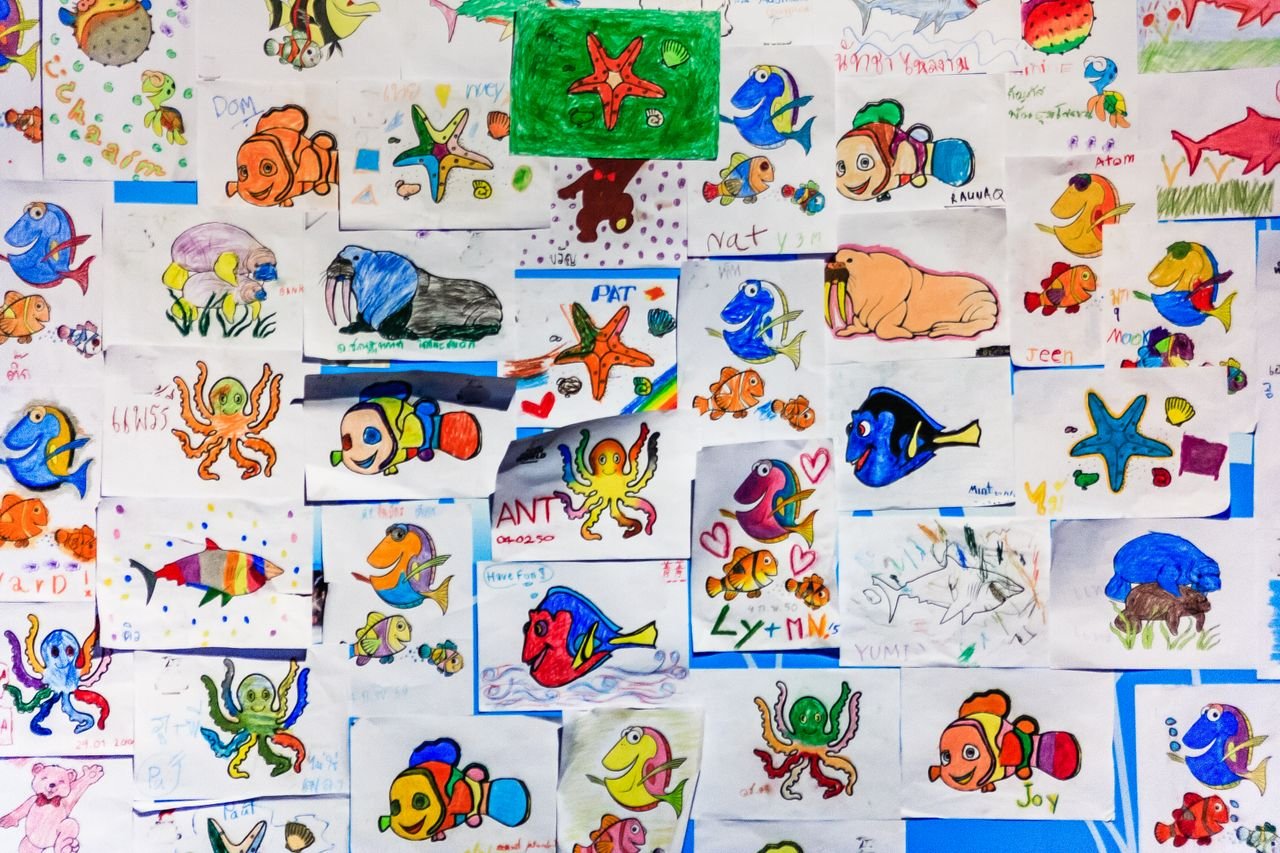

Every parent is familiar with that eerie quiet which always foretells some trouble – and which leads, in almost all cases, to a newly created masterpiece right on your beautifully painted living room walls. Kids’ drawings will stain your walls in their very unique way – from waxy crayons and regular graphite pencils to washable markers, permanent markers and ink pens.
Since every drawing tool affects your wall surface differently due to its texture and glossiness, the only effective cleaning depends on the matching of your cleaning method to both of these factors.
These easy steps will help you remove the traces of your child’s creation without damaging the paint on your walls.
Identify the Type of Drawing on Your Wall
Before you grab a sponge, it is essential to identify the type of mark you are dealing with. Treating the wrong material with an inappropriate cleaner can smear the pigment, strip the sheen, or ruin the paint beneath.
- Crayon Marks – Waxy residue and coloured lines. May require a method that breaks down or lifts the wax.
- Pencil Marks – Usually easier to remove with a soft eraser.
- Washable Marker Marks – Often respond to mild soap and water.
- Permanent Marker Marks – More difficult to remove and may require a suitable cleaning product.
- Pen and Coloured Pencil Marks – Ink can penetrate some paint finishes, while coloured pencils may leave waxy or pigmented residue.
Also Read: Hot Water System Problems: Simple Signs Homeowners Shouldn’t Ignore
How to Remove Crayon Marks from Walls
Method 1: Use Warm Water and Dish Soap
Mix a small amount of dish soap with warm water in a bowl. Dampen a soft cloth, then gently wipe the crayon marks using circular motions until they lift. Finally, remove any remaining soap residue with a separate clean, damp cloth and pat the area dry.
Method 2: Try a Baking Soda Paste
Create a gentle cleaning paste by mixing a small amount of baking soda with a few drops of water until it forms a thick consistency. Test the mixture in an inconspicuous area, such as behind a door, first. Apply it with a soft cloth using very gentle pressure, as baking soda can act as an abrasive.
Method 3: Use a Hair Dryer to Soften Crayon Wax
Apply gentle, low heat from a safe distance using a hair dryer to soften the waxy buildup. Carefully blot the softened wax away with a paper towel as it melts. Clean any remaining residue with mild soapy water. Always keep the dryer moving and avoid overheating the paint or drywall.
How to Remove Pencil Marks from Walls
Start with a clean, soft white eraser. Rub the graphite marks gently without pressing too hard, being careful not to gouge the surface. Wipe away any eraser residue with a dry microfiber cloth. If faint marks remain, use a slightly damp cloth to dab them away. Keep in mind that aggressive, heavy-handed rubbing can leave shiny, polished patches on flat or matte painted walls.
How to Remove Washable Marker from Walls
Start with a damp microfiber cloth and a drop of mild dish soap. Wipe gently, starting from the outside of the mark and working your way towards the centre to avoid spreading the water-based ink over a larger area of the wall. Once the mark is lifted, rinse the surface with a clean, damp cloth and dry it thoroughly with a towel.
Also Read: 7 Staircase Decorating Ideas for Australian Homes (With Images)
How to Remove Permanent Marker from Walls
Permanent ink is notoriously challenging because it is chemically formulated to resist fading and liquid breakdown. Always begin by testing a small amount of a paint-compatible cleaning product in a hidden spot. Discuss rubbing alcohol only where the paint manufacturer’s guidance explicitly permits it. Use a cotton pad to dab the spot rather than scrubbing harshly, and stop immediately if the paint colour transfers to your pad or the finish changes texture.
Important: Some solvents can dissolve or dull paint. Do not recommend rubbing alcohol as a universal solution.
How to Remove Pen and Coloured Pencil Marks
Begin with mild soapy water on a soft cloth, using light pressure to lift surface pigments. For stubborn ink lines, test a compatible cleaning product or a small dab of rubbing alcohol in an inconspicuous area first. Remember that deeply absorbed ink can sometimes penetrate porous paint layers, occasionally requiring a stain-blocking primer and a fresh coat of matching paint.
Also Read: 4 Methods to clean natural stone floors (With Checklist)
How to Remove Kids’ Drawings from Different Wall Finishes
This section adds useful detail beyond the standard stain-removal methods, helping you protect your specific wall texture.
| Wall finish | Recommended approach | What to avoid |
| Matte paint | Dry eraser or gentle cleaning after testing | Heavy scrubbing |
| Eggshell paint | Soft cloth and mild soapy water | Abrasive cleaners |
| Satin paint | Damp microfibre cloth and mild detergent | Harsh chemicals |
| Gloss paint | Mild soapy water and a soft cloth | Rough scrubbers |
| Wallpaper | Follow the manufacturer’s cleaning instructions | Excess water and unapproved solvents |
Washable and scrubbable paints generally tolerate cleaning much better than delicate matte finishes, which can easily scuff or lose their flat appearance.
What Not to Use When Cleaning Drawings off Walls
Cover common mistakes that can damage the finish. Avoid scrubbing too hard, as excessive friction ruins wall textures. Do not mix cleaning chemicals, which can create dangerous fumes or unpredictable chemical reactions. Avoid bleach and strong solvents unless the wall finish specifically permits them. Be very careful with melamine foam cleaning sponges (like magic erasers), because they function like ultra-fine sandpaper and can easily remove or dull paint sheens. Never soak drywall or wallpaper with excess water, and never skip the initial patch test.
What to Do If the Drawing Won’t Come Off
If your initial cleaning attempts fail, try a different method suited specifically to the drawing material. Always stop cleaning immediately if the paint begins to fade, peel, or become shiny. For persistent, deep-set stains that refuse to budge, consider applying a stain-blocking primer followed by repainting the affected section. Alternatively, use a matching touch-up paint for small, isolated damaged areas.
How to Prevent Kids from Drawing on Walls
Include practical prevention ideas for parents. Create a dedicated drawing wall or a large chalkboard area in your home. Use washable crayons and markers exclusively for young children. Keep art supplies in a designated, out-of-reach place when not supervised. Place a large drawing board at a child’s height to capture their creativity. Teach children early on which surfaces are meant for drawing. Finally, consider using washable, high-durability wall paint in playrooms and children’s bedrooms to make future cleanups effortless.