
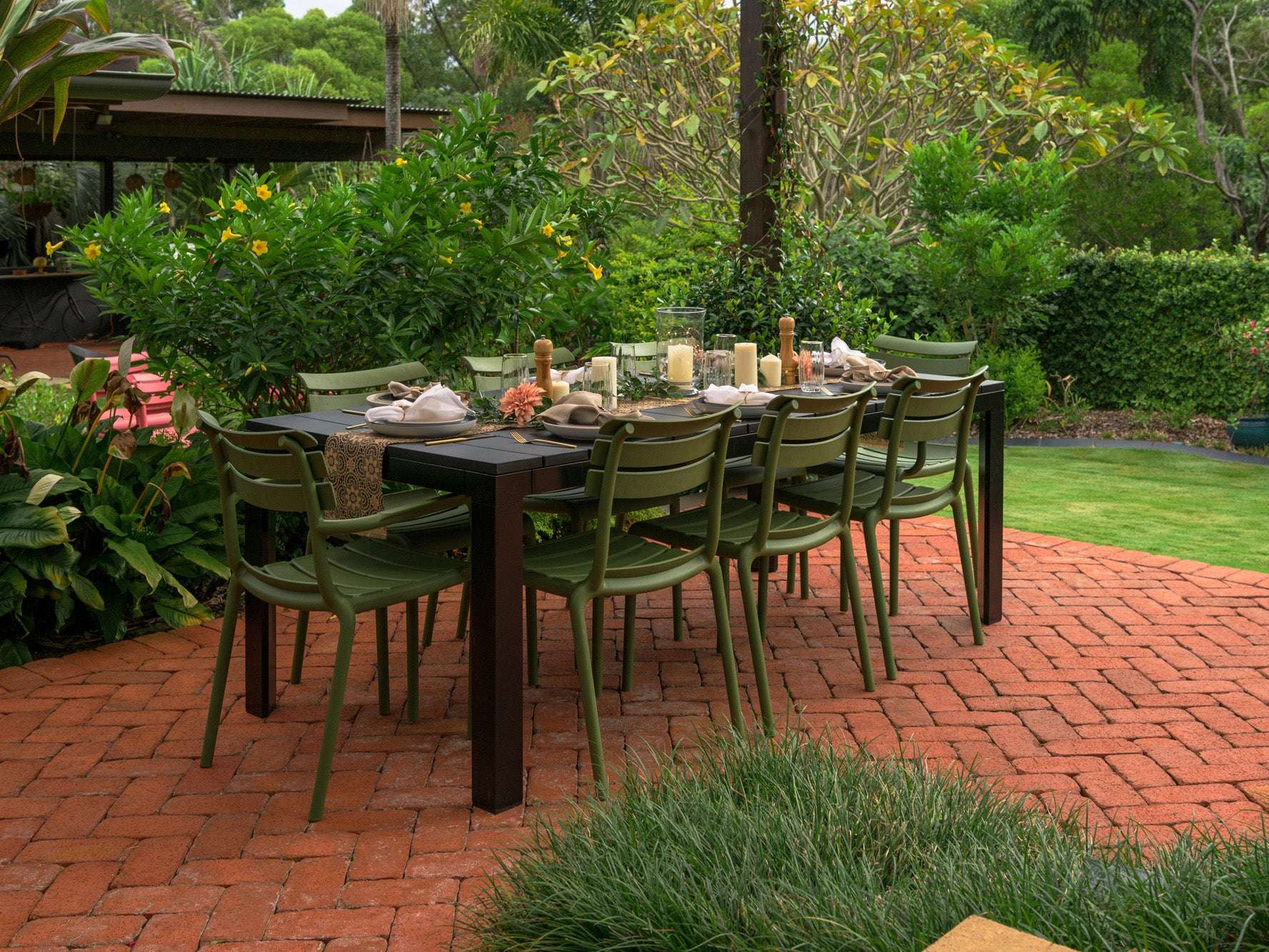

The dining room is more than just a place to eat; it’s a dedicated space for gathering, celebrating, and sharing stories. Whether it’s a formal room or a cozy corner in an open-plan living space, the decor you choose can transform the act of eating into an experience.
Designing a dining area is a balance of aesthetics and function. You want a space that feels sophisticated for special occasions yet comfortable and durable for everyday use. Here is your comprehensive guide to refreshing or fully designing your dining room decor, focusing on impact, mood, and practicality.
1. The Foundation: Table and Seating
The table and chairs are the functional anchors of the room, so their choice dictates both the flow and the style.
A. Selecting the Right Table
Shape Matters:
Rectangle: Best for large groups and narrow rooms. They are traditional and offer a lot of surface area for serving.
Round: Ideal for encouraging conversation as everyone is facing each other. They work well in smaller or square rooms as they eliminate sharp corners, improving traffic flow.
Square: Great for intimate settings of four or fewer people.
Material and Finish:
Wood (Oak, Walnut, Pine): Offers warmth, durability, and versatility. A stained or dark wood suits traditional/rustic styles, while lighter woods are perfect for Scandinavian/mid-century looks.\
Glass: Excellent for smaller spaces as the transparency makes the room feel less cluttered and larger.
Marble/Stone: Provides a high-end, contemporary, and luxurious feel, though it requires more maintenance to prevent staining.
B. Chairs: Comfort Meets Style
Dining chairs should offer adequate support for long conversations.
Mixing Styles: Don’t feel obligated to buy a matching set. Try using different chairs at the head and foot of the table (like upholstered armchairs) or mixing materials (e.g., a wooden table with woven or upholstered chairs) to add visual interest.
Bench Seating: Incorporating a built-in bench or a freestanding long bench along one side is a great space-saver, especially for children, and adds a casual, modern touch.
Durability Check: If you have children or host frequently, look for chairs with wipeable surfaces or slipcovers that can be easily cleaned.
2. Elevate the Atmosphere: Lighting
Lighting is arguably the most critical decorative element in a dining room, as it defines the mood and highlights the table.
The Statement Piece: A chandelier or pendant light hung directly above the centre of the table acts as a focal point.
Scale: Ensure the fixture is proportional to the table. A good rule of thumb is that the fixture should be about half to two-thirds the width of the table.
Height: The bottom of the fixture should hang approximately 75cm to 90cm above the tabletop to prevent obstructing views while providing effective task lighting.
Ambient Layers: Supplement the main light with dimmer-controlled recessed lighting, wall sconces, or floor lamps in the corners to add warmth and prevent harsh shadows.
Dimmers are Mandatory: Install a dimmer switch on your main light source. This allows you to set a bright, functional scene for homework or crafts and a soft, intimate glow for dinner parties.
3. Colour, Texture, and Walls
The surrounding decor should enhance, not overpower, the dining experience.
A. Wall Treatments
- Gallery Wall: A collection of framed art or photos creates a personalized focal point on one wall. Keep the theme cohesive to avoid visual clutter.
- Mirror, Mirror: Hanging a large mirror in the dining area can make the space feel much larger and brighter by reflecting light and views.
- Wallpaper: A textured or patterned wallpaper on a feature wall can introduce drama and sophistication. Choose patterns that complement the era or style of your home.
B. Textiles and Rugs
- Area Rugs: A rug beneath the dining set anchors the space and adds a layer of softness.
- Size Rule: The rug should be large enough so that all chairs remain on the rug even when pulled out for sitting. This usually means extending the rug at least 60cm beyond the table edges on all sides.
- Material: Choose low-pile rugs made from durable materials like wool or synthetics for easy cleaning.
- Window Dressing: Curtains or blinds should frame your light source beautifully. Layering sheer curtains with heavier drapes allows for flexible light control and adds textural richness.
4. The Finishing Touches: Styling the Table and Storage
The smaller details bring the room to life.
- Centrepiece Simplicity: Keep the centrepiece low and uncluttered so that it doesn’t impede eye contact. Simple floral arrangements, candles, or a bowl of fruit are always tasteful. Change it seasonally for a quick refresh.
- Functional Storage: Sideboards, buffets, or hutches are invaluable. They offer a surface for serving food (a staging area) and provide storage for linens, dishware, and glassware, keeping clutter out of sight. Style the top with a lamp, a few books, and rotating decorative objects.
- The Bar Cart: A portable bar cart adds a chic element of fun and functionality, keeping spirits, glassware, and mixing tools accessible but neatly contained.
By thoughtfully blending stylish choices with practical considerations—like lighting control and durable surfaces—you can create a dining area that doesn’t just look spectacular but genuinely enhances every meal shared within it.
Which element are you most excited to change: the lighting or the seating?