
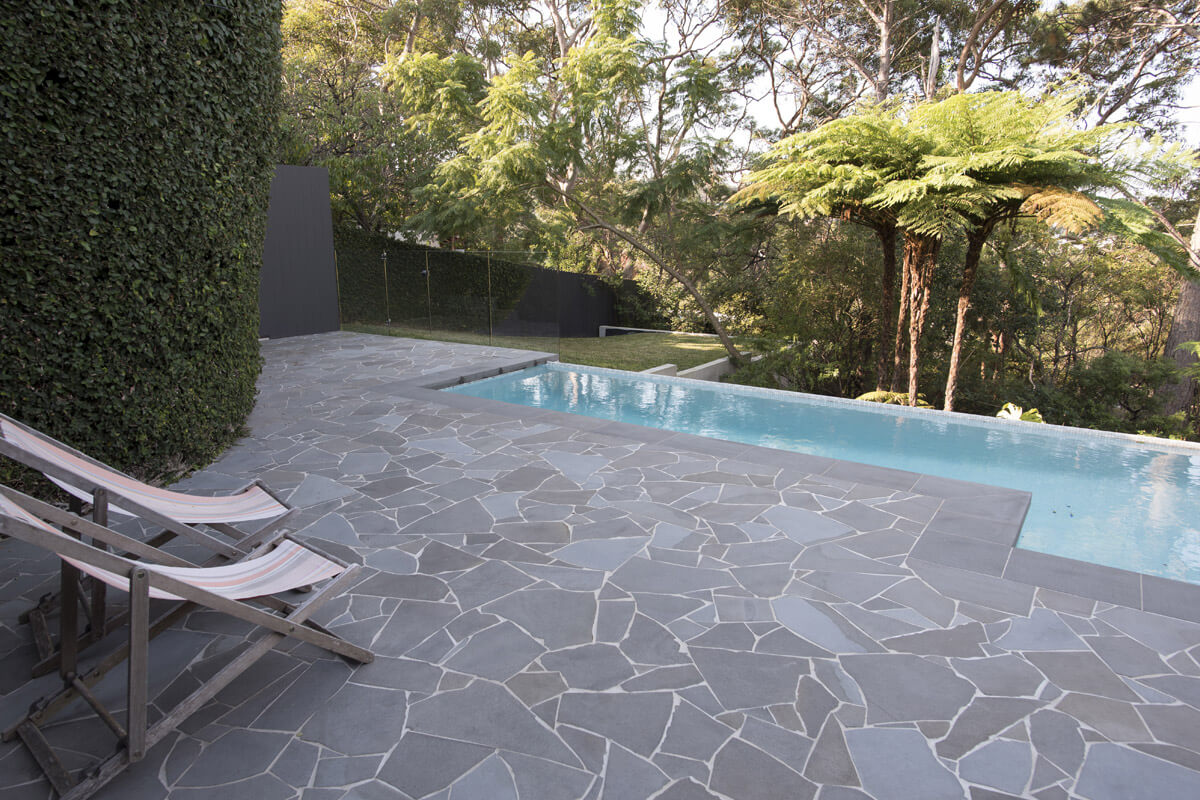

Crazy paving—the design technique that embraces imperfection—is making a spectacular comeback in Australian gardens and outdoor living spaces. Characterised by its irregular, broken-jigsaw pattern, this distinctive style offers a timeless, rustic charm that seamlessly connects homes to the rugged Australian landscape.
Unlike uniform concrete slabs or neat rectangular tiles, crazy paving provides a bespoke, organic texture that is both highly durable and visually captivating. If you’re looking for a paving solution that delivers on personality and performance, this is your ultimate guide to understanding, laying, costing, and caring for crazy paving.
Also Read: Brilliant Small Backyard Landscaping Ideas for Aussie Homes
1. What Exactly is Crazy Paving?
Crazy paving is a style of hardscaping defined by the use of irregular, random-shaped stones or pieces of material fitted together with mortar or jointing compound.
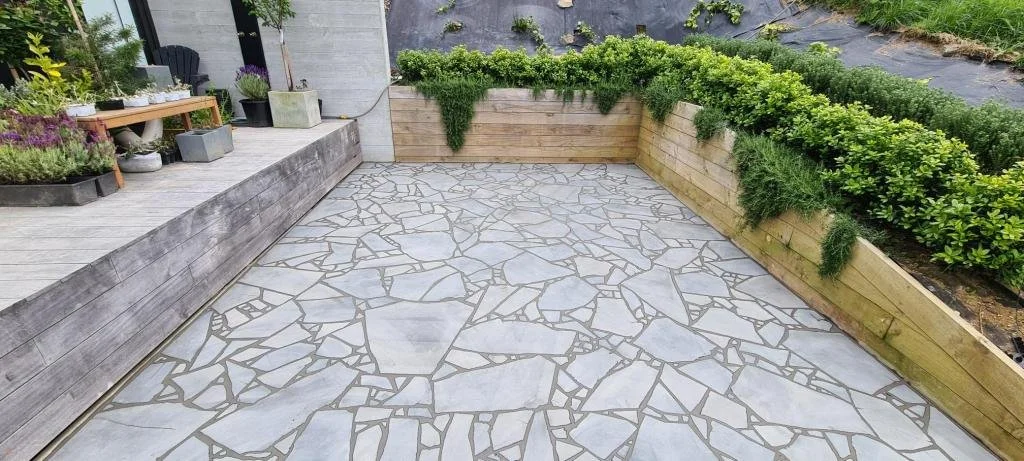
A. The Signature Look
The defining characteristic is the randomness. There are no straight lines or predictable patterns. The pieces—often sourced from natural stone like slate, sandstone, quartzite, or bluestone—are laid like a puzzle, with the small gaps between them filled with mortar or, in some permeable applications, gravel or sand.
B. Why is it Popular in Australia?
- Natural Aesthetic: It works beautifully with the Australian preference for natural, earthy materials and informal landscaping styles. It’s a perfect fit for cottage gardens, Mediterranean courtyards, and rustic pool surrounds.
- Minimising Waste: Historically, crazy paving was a resourceful way to use up offcuts and broken pieces of expensive stone, making it a sustainable choice.
- Durability: When properly laid on a solid concrete base, stone crazy paving is incredibly hard-wearing and resistant to the harsh Australian sun and varied weather conditions.
C. Common Materials Used
- Sandstone: Highly popular for its warm, earthy tones (creams, buffs, pinks) and suitability for a classic Australian outdoor look.
- Bluestone (Basalt): Offers a sophisticated, dark grey/blue tone that is excellent for contemporary or coastal homes. It’s very dense and durable.
- Slate: Provides rich, variegated colours (rusts, greens, purples) and a distinctive textured surface.
- Travertine: Light, cool-underfoot, and excellent for pool areas, offering a beautiful Mediterranean or resort feel.
Also Read: How to Scrub Off Moss From Your Patio Bricks & Keep it non-slippery.
2. The Laying Process: How to Lay Crazy Paving
While it may look simple, laying crazy paving correctly is a time-intensive process that requires skill, especially in preparing the base.
Step 1: Prepare the Sub-Base
A stable base is non-negotiable for longevity, particularly in areas like driveways or pool surrounds.
- Excavation: Excavate the area to the required depth, accounting for the bedding, concrete slab, and the thickness of the stone and mortar.
- Compaction: Lay a layer of compacted road base (crushed rock).
- Concrete Slab: For a permanent, durable crazy paving job (recommended for all patios and major pathways), pour a reinforced concrete slab (typically 100mm thick) over the compacted base. This prevents movement and cracking.
Step 2: Laying the Bedding and Stone
- Bedding Mortar: Once the slab is cured, apply a thick bed of mortar (cement/sand mix) onto the slab. This is where the artistry begins.
- The Jigsaw: Place the irregular stone pieces onto the wet mortar bed, using a rubber mallet to tap them down and ensure they are level and fully embedded.
Spacing: Maintain consistent gaps between the stones (typically 10mm to 30mm). Avoid placing four corners of stones together—this is the cardinal rule of crazy paving to ensure the pattern flows randomly.
Cutting: You will need a wet saw with a diamond blade (often rented) to cut the stones to fit the edges and to custom-cut specific pieces to maintain the flow of the pattern.
Step 3: Grouting and Curing
- Grouting: Once the stones are set, the gaps are filled with a grouting mix, which can be cement-based mortar or a specialized flexible paving compound. The grout is applied and smoothed into the joints.
- Cleaning: This step is crucial. The stones must be meticulously wiped and cleaned immediately to remove all grout residue before it hardens, which can otherwise permanently stain the porous stone.
- Sealing (Highly Recommended): Once cured, the entire surface should be sealed with a high-quality, penetrating stone sealer. This is particularly important for sandstone and areas near pools (to resist salt and chlorine) or barbies (to resist grease).
Also Read: Outdoor Dining Area Ideas: Design a Perfect Spot for Family
3. How Much Does Crazy Paving Cost in Australia?
The cost of crazy paving is generally higher than standard paving or poured concrete due to the cost of the material and the highly labour-intensive installation process.
A. Material Costs (Stone)
The cost per square metre for the stone itself varies wildly based on the type:
- Mid-Range: Australian Sandstone or basic Slate can range from $40 to $80 per square metre.
- Premium: Imported Travertine, high-quality Bluestone, or premium Quartzite can range from $80 to $150+ per square metre.
B. Installation Costs (Labour)
Labour is the most significant expense. Due to the bespoke cutting and placement required, a skilled paver will charge more for crazy paving than for laying uniform tiles.
Supply & Install (Finished Cost): Expect to pay anywhere from $150 to $350 per square metre for a complete job, including excavation, base preparation (excluding the cost of a new concrete slab), stone, mortar, and grouting.
Note: If a new concrete slab is required, factor in an additional $60–$100 per square metre.
For a typical 50-square-metre patio, the total cost could range from $7,500 to $17,500, depending on the material chosen and site complexity.
*Prices mentioned above can vary from project to project as it depends on area, location, delivery cost, labor cost, season etc.
4. How to Clean and Maintain Crazy Paving
With proper maintenance, your crazy paving will last decades, resisting the Australian elements beautifully.
A. Regular Cleaning
- Sweeping: Regularly sweep away leaves, dirt, and debris to prevent stains and mould growth.
- Hosing: Use a garden hose to wash the surface.
- Pressure Washing (Use Caution): A low-pressure washer is acceptable for a deeper clean, but avoid high pressure, which can damage porous stone and, more importantly, blast out the mortar joints, requiring premature re-grouting.
B. Stain Removal
- Grease/Oil: Apply a commercial stone poultice or a paste of baking soda and a small amount of water to the stain. Cover it and leave it to dry overnight before scrubbing and rinsing.
- Algae/Mould: Use a specialised stone cleaner designed to kill mould spores, or a diluted bleach solution (always test a small area first).
C. Sealing and Re-Grouting
- Re-sealing: The most critical maintenance task. Depending on the traffic and the sealer used, your crazy paving should be professionally cleaned and re-sealed every 3 to 5 years. A good penetrating sealer prevents water absorption, mould, and permanent staining.
- Re-grouting: Over time, particularly if subjected to high-pressure washing or extreme weather cycles, the grout lines may crack or erode. Rake out the damaged grout and refill the joints to protect the stone and maintain structural integrity.
By choosing the right material and investing in skilled installation, crazy paving will reward your home outdoors and garden with an unmatched texture and character that only improves with age.