
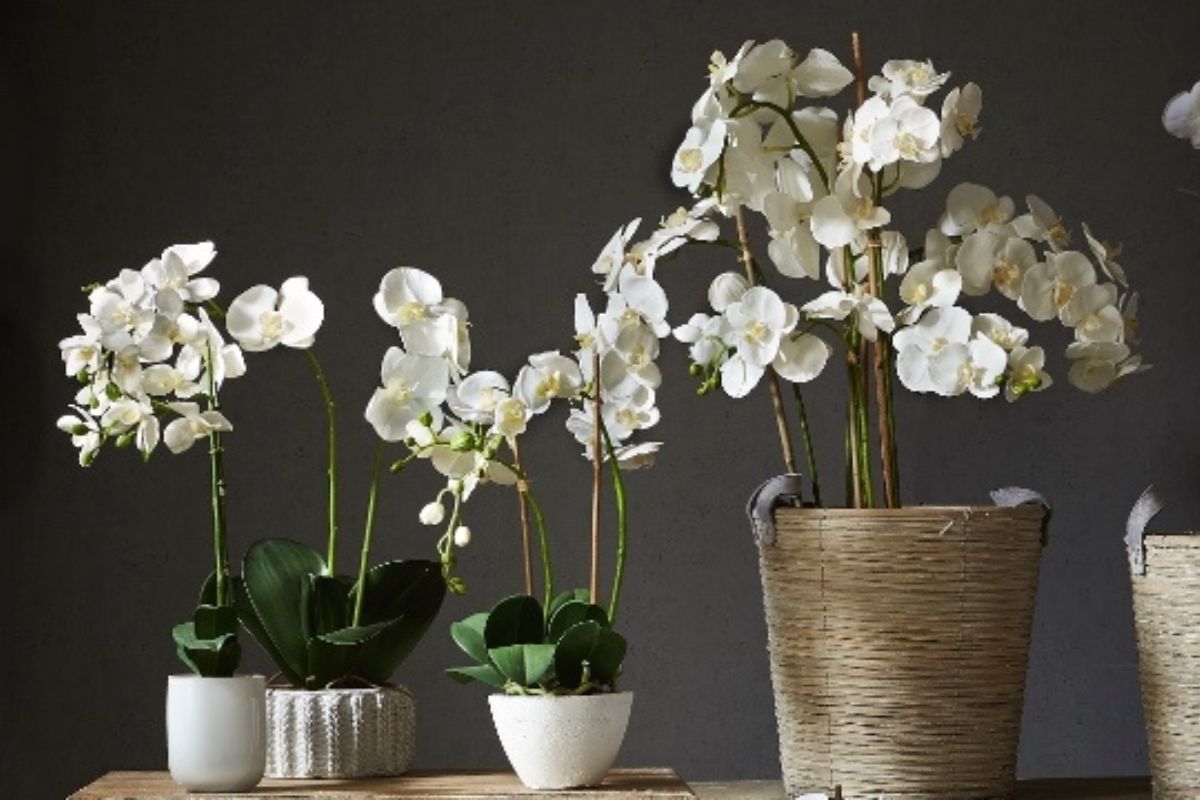

Artificial flowers, or “permanent botanicals” as they are known in the home decor world, are the ultimate low-maintenance styling solution. They bring colour, texture, and life to any vignette, table centrepiece, or shelf display, offering year-round beauty without the wilting.
However, even the most beautiful faux florals fall prey to the silent style killer: dust. In the harsh Australian climate, dust, pollen, and even fine beach sand can accumulate quickly, turning vibrant arrangements dull and tired.
Cleaning permanent botanicals isn’t about dunking them in soapy water. It’s about using the right, gentle techniques to preserve the integrity of the delicate fabrics, silks, and plastics. Here is your definitive, highly readable guide to restoring the luminosity and realistic finish of your faux floral arrangements.
Also Read: Dining Table Decor Ideas for A beautiful Aussie Home
1. The Dust Buster: Gentle Weekly Maintenance
For an arrangement that is on display 24/7, quick, gentle maintenance is your best defence against heavy build-up. Aim to perform one of these methods once a week.
A. The Hair Dryer Technique (The Gentle Breeze)
This is the simplest and most effective method for removing superficial dust without touching the petals.
- Tool: A standard hair dryer.
- Method: Set the dryer to the coolest and lowest power setting. Hold the dryer about 30cm away from the arrangement and systematically blow air over the petals and foliage.
- Why it Works: The cool, gentle air dislodges dust from those tricky, hard-to-reach crevices and textured surfaces (like flocked leaves) without damaging the delicate silk or painted finishes.
B. The Feather Duster or Microfibre Wand
For sturdier arrangements, a gentle swipe works wonders.
- Tool: A soft feather duster, or a microfibre duster designed for electronics.
- Method: Gently work the duster into the leaves and around the flowers. Be careful not to press too hard, as this can bend the wire stems or detach the petals.
- Best For: Arrangements made of thicker plastic or foam-based flowers, which are more robust.
Also Read: How to Decorate Christmas Tree at Home this Winter? – The Aussie Way
2. Deep Cleaning: When Dust Becomes Grime
If your florals haven’t seen a clean in six months, they likely need more than just a quick blow-dry. This deeper clean is recommended every 3 to 6 months, or whenever your arrangements start to look faded.
A. The Salt Shake (Best for Silk Flowers)
This vintage technique is highly effective for loosening embedded dust from fabric petals.
- Tools: A large paper bag (or a pillowcase) and coarse salt (rock salt or sea salt).
- Method:
- Carefully place the loose floral stems into the paper bag, ensuring you don’t crush the petals.
- Sprinkle about one cup of coarse salt over the flowers.
- Gently close the bag and lightly shake it for 60 seconds.
- Remove the flowers. The coarse salt acts as a mild abrasive, rubbing against the fabric to lift and absorb the dirt.
- Rinsing: Shake the excess salt off completely. Do not rinse with water, as this can set the dirt back into the fabric.
B. The Vinegar or Soapy Bath (Best for Plastic & Sturdy Blooms)
Use this method only for flowers made primarily of plastic, foam, or highly durable, sealed fabrics. Avoid this for fine silk or hand-painted flowers.
- Solution: Mix lukewarm water with a small dash of mild dish soap (e.g., Fairy or Morning Fresh) or a half-cup of white vinegar.
- Method:
- Fill a basin with the solution.
- Dunk the entire arrangement gently into the water. Swish them lightly—do not rub.
- Rinse thoroughly under cool running water to remove all soap residue.
- Drying is Critical: Shake off excess water and immediately hang the flowers upside down (this helps the petals maintain their shape) or lay them on a thick towel in a well-ventilated area away from direct sun. Ensure they are completely dry before re-arranging.
Also Read: Bedroom Side Table Decor Ideas to Elevate Your Sleep Space
3. Specialist Cleaning: Restoring the Luster
Sometimes, the finish itself needs attention, particularly for older florals.
A. Steaming Out Creases
If your flowers arrived creased from shipping or have been squashed in storage, steaming can restore their original, voluminous shape.
- Tool: A handheld garment steamer.
- Method: Hold the steamer a safe distance (around 20cm) from the flower head. The gentle, warm steam will relax the fabric fibres, allowing you to reshape the petals and foliage with your fingers.
- Caution: Do not hold the steam too close, as excessive heat can melt plastic components.
B. The Anti-Static Spray (The Dust Barrier)
Once your florals are perfectly clean, help them repel future dust.
- Tool: A clear, unscented anti-static fabric spray (the kind used for clothes).
- Method: Lightly mist the entire arrangement. The coating helps prevent static build-up, which is what typically attracts airborne dust particles.
Also Read: Best Cushions Colours for your Grey Couch, The Best Palettes
4. Decor Tips: Positioning for Success
For longevity and style, consider these decor-specific tips:
- Positioning: Place your permanent botanicals in areas where air circulation is minimal (avoiding direct A/C vents or ceiling fan blasts) to minimise dust gathering.
- Vase Selection: Choose a beautiful, weighted decorative vase (such as ceramic or textured glass) to anchor the arrangement, allowing for easier movement and cleaning without tipping.
- Inspection: While cleaning, take time to inspect the stems. You may need a small dab of floral glue to reattach any petals that have come loose—this simple step dramatically extends the life of your investment pieces.
By treating your permanent botanicals with care, you maintain their design integrity, ensuring they continue to provide that beautiful, fresh pop of colour to your Australian home decor for many seasons to come.
Also Read: How to decorate a large living room wall? Sitting Room Wall Decor Ideas
How Often you should clean your artificial flowers?
To maintain the fresh, vibrant appearance of your artificial flowers (permanent botanicals), establishing a regular cleaning schedule is essential. For weekly maintenance, a quick dusting using a hair dryer on a cool, low setting is ideal for removing superficial dust accumulation. This preserves the delicate fabric finishes. For a deeper clean that tackles embedded grime, aim for a deep clean every three to six months. This involves using gentle techniques like the “salt shake” for silks or a mild soapy bath for sturdier plastics. Regular care prevents dust from bonding to the fibres, ensuring your floral arrangements remain a flawless, lasting feature in your home decor.